In August 2026, the Finnish Real Estate Federation highlighted safety risks regarding balcony railings in housing companies. This follows serious accidents that have sparked public debate over who is actually responsible for these structures. The autumn sales season is just starting, and open houses are busy. It is a good time to consider what you should look for in a balcony before making an offer.
What the eye sees at an open house
At an open house, it’s easy to get swept away by a kitchen renovation or the floor plan. The balcony often takes a back seat. That is a mistake.
Look at the railings first. Do they wobble when you lean on them lightly? The connection to the structure is exactly where problems usually hide. Rust marks on concrete surfaces or at railing attachment points tell you that moisture has been doing its work for a long time.
Look at the floor surface too. Does it slope the right way—away from the building? Water that stands on balcony tiling eventually finds its way into the structures. Cracks in the tile surface or a total lack of grouting are signs of a neglected structure.
A glass railing doesn’t mean new or safe
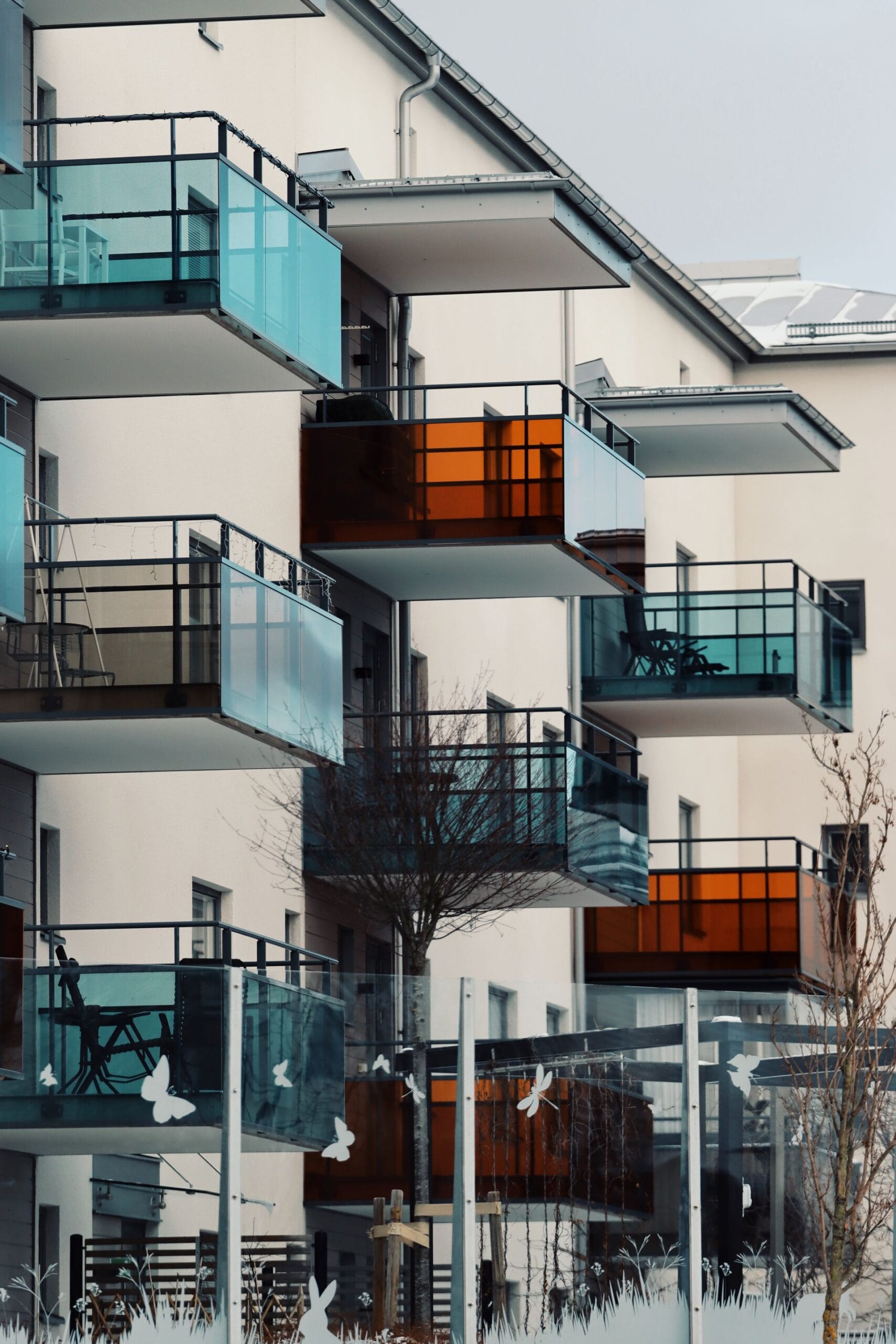
In newer buildings, the most common railing type is a glass railing with an aluminum frame. It looks neat and is well-executed in many properties. But that doesn’t mean the railing is automatically in good condition.
In Tikkurila, Vantaa, an accident occurred in the summer of 2026 when the glass of a seventh-floor balcony railing broke. A young woman fell and died. According to Petri Kulmala, a senior inspector at Tukes, the railing was not compliant with the law. The accident is being investigated by the police, Tukes, and the Safety Investigation Authority. No suspicion of a crime has emerged.
Kulmala stated in Iltalehti that similar railings are commonly used in Finland, especially in newer buildings. Typically, laminated flat glass or laminated tempered safety glass is used. In the accident, the laminated flat glass failed. Kulmala also reminded that there are site-specific differences even if the manufacturer is the same. Similar accidents involving broken glass railings, some even resulting in death, have occurred elsewhere in Finland besides Tikkurila.
A buyer should remember that a new building is no guarantee of a safe railing. With glass railings, specifically check if the railing is properly installed and if there is documentation for it.
Documents tell more than a visual inspection
Request the property manager’s certificate and the latest long-term maintenance plan (PTS) before submitting an offer. These will reveal if repair needs have been recorded for the balconies or if a renovation is already being planned. If it is a relatively new building with glass railings, the PTS is not enough. Instead, raise the issue and demand a clarification on whether the safety of that specific building’s balcony solution has been investigated.
Minutes from shareholders’ meetings are gold. If the topic of balconies has come up in meetings over the last couple of years, it will show up there. The same applies to condition surveys commissioned by the board of directors.
Also check if the housing company has commissioned a condition assessment and when it was done. An old assessment may be outdated information, especially if the building is from the 1960s–1980s, when balcony structures reach an age where problems typically appear.
Who is responsible for repairs?
This is a question many buyers aren’t prepared for. A balcony is generally a structural part of the housing company. The housing company is responsible for the load-bearing structures, waterproofing, and railings. The shareholder is typically responsible for the interior of the balcony, such as floor tiling and wall surfaces, but this varies depending on the articles of association.
A blog post by the Real Estate Federation also highlighted situations where a previous resident has made alterations. If a previous shareholder has, for example, installed balcony glazing or changed something in the structure, the maintenance responsibility for these changes typically transfers to the new shareholder upon sale. But there are exceptions, especially if the housing company decided to install glazing on all balconies. This is a vital detail to clarify beforehand rather than afterwards. Liability for damages may still remain with the previous shareholder within the statutes of limitations, but in practice, this can be difficult to resolve years later.
If the housing company has a balcony renovation planned or listed in future repairs, it means future pressure to increase maintenance charges. Find out if funding for the renovation already exists or if it will be financed with a loan.
Five things you should always check
- Railing attachments – test by shaking lightly, look for rust marks at connection points
- Glass railings with special attention – request documentation of installation and check if the railing is properly approved
- Balcony floor slopes – water must flow away, not stand still
- Condition of concrete structures – chipping and visible reinforcement bars are serious signs
- Long-term maintenance plan and meeting minutes – is the balcony mentioned in repair needs
- Alterations by previous shareholders – has balcony glazing or another addition been done properly and is there a permit for it
You can’t see everything at an open house
A surface inspection can spot the most obvious problems. The internal condition of the structures is a different matter. If the property is interesting but you have doubts, a structural condition inspection before the offer—or as a condition of the sale—is the way to get the real picture.
Thinking about buying an apartment share?
OUN® provides independent analyses for home buyers, free from ties to sellers or other stakeholders. If you want someone to go through the documents with you before making a decision, that is what we are here for.
OUN® reads the site documents for you and delivers a plain-language analysis within 24 hours. We are 100% on your side – we don’t sell the property to anyone.