
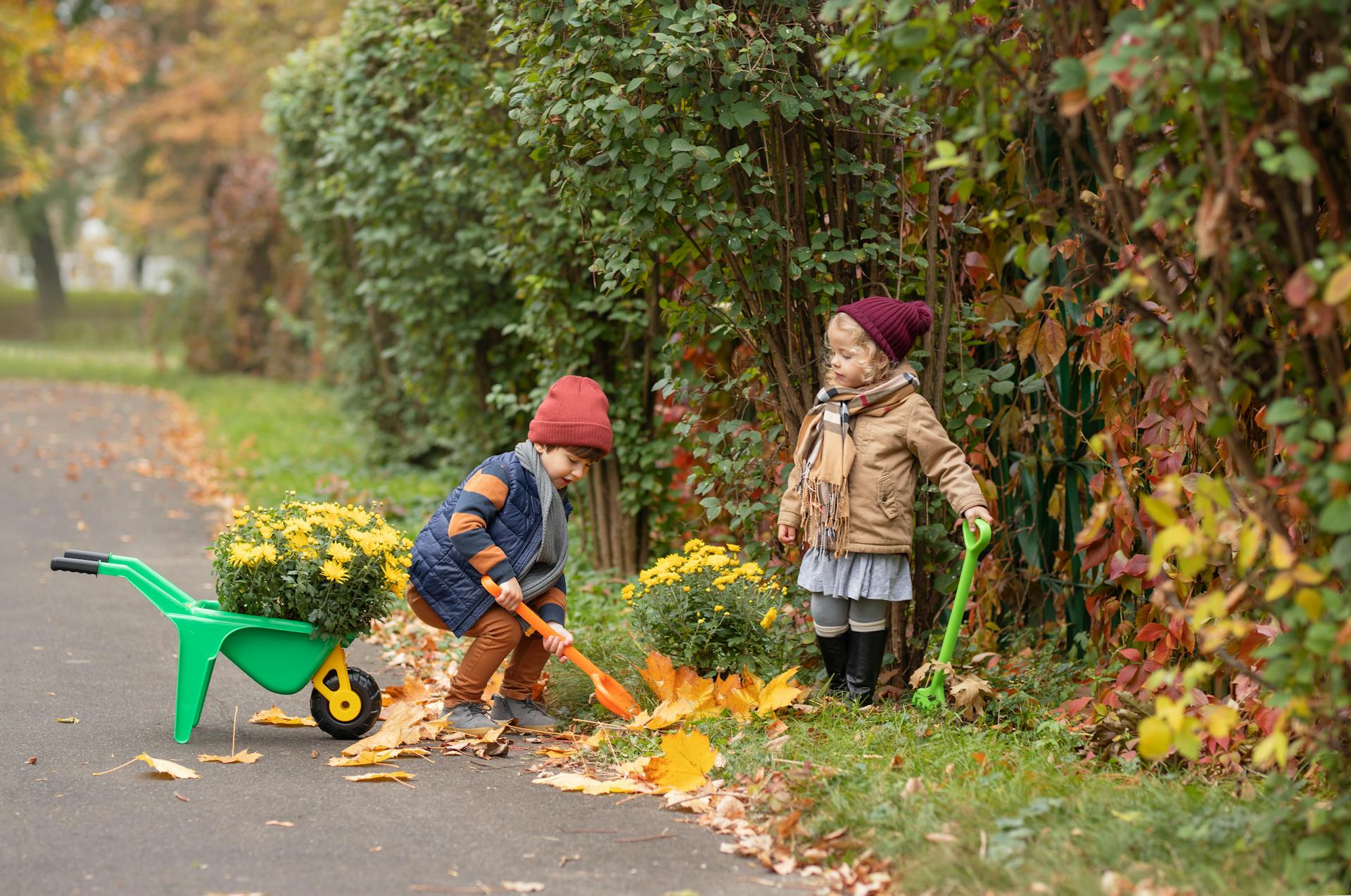
When spring arrives and the snow melts, the familiar question starts to be asked in housing companies: “When will we have a yard party?” Reactions range from excited voices to quiet mutterings. Some see the volunteer day as an opportunity to improve their living environment and meet their neighbours, while others wonder if they could, by chance, spend that weekend at grandma’s cottage. But what makes volunteering successful – and do we really need to get involved?
Are you obliged to take part in a volunteering project?
The straight answer is: no. Participation in the housing company’s volunteer days is voluntary and no one can be forced to take part. There is no obligation under the HOA Act for shareholders to take part in a community service, and there are no fines or other penalties for non-participation.
However, it is worth remembering that voluntary work is one way of saving the company’s costs and thus its own contributions. What is not done on volunteer days often has to be bought in from outside providers – and it always costs more than the voluntary work of neighbours.
What are the benefits of volunteering?
The benefits of volunteering go beyond just saving money:
- Cost savings: voluntary work can save a housing company significant amounts of money each year
- Community spirit: working together builds neighbourly relations and cohesion
- Maintaining the value of your property: a well-maintained yard has a positive impact on the value of your home
- Opportunity to influence: have your say on how your living environment looks like
A volunteer day is also a chance to get to know your neighbours in a relaxed way while you work – sometimes resulting in surprisingly good friendships.
When do volunteer days go wrong?
A badly organised volunteer day can be a frustrating experience for everyone involved. The most common pitfalls are:
- Unclear roles and responsibilities
- Lack of tools and materials
- Too ambitious goals for one day
- Bad weather forecast for which no provision has been made
- Conflicts over what to do and how to do it
Good preparation is the key to a successful project.The manager or board should draw up a clear list of tasks, reserve the necessary tools and inform the residents well in advance.
How to make volunteering more enjoyable
If you decide to get involved, there are a few simple things you can do to make the experience better for yourself and others:
- Be properly prepared: work clothes, gloves and dress for the weather
- Bring your own tools: if you have good rakes or shovels, bring them along
- Be realistic: Don’t commit to tasks you can’t do
- Take a pause: the volunteer work is not a competition – enjoy a coffee break and a chat
Remember, too, that taking part doesn’t mean working all day. Even if you come for a few hours to help out, it’s a valuable contribution to a joint project.
Alternative ways to get involved
If physical volunteering is not for you, you can still get involved in other ways. For example, offer to organise coffee breaks, coordinate tools or film the day’s events for company communications. Every contribution is valuable, even if it doesn’t show up on a broomstick.
Ultimately, a project is what you make of it together. At their best, they are a fun way to spend the day, get to know your neighbours and take care of your living environment at the same time. At their worst, they can be a stressful experience that doesn’t produce the desired results. Good preparation and realistic expectations make volunteering more meaningful for everyone.