
AI in property listings and in the buyer's hands
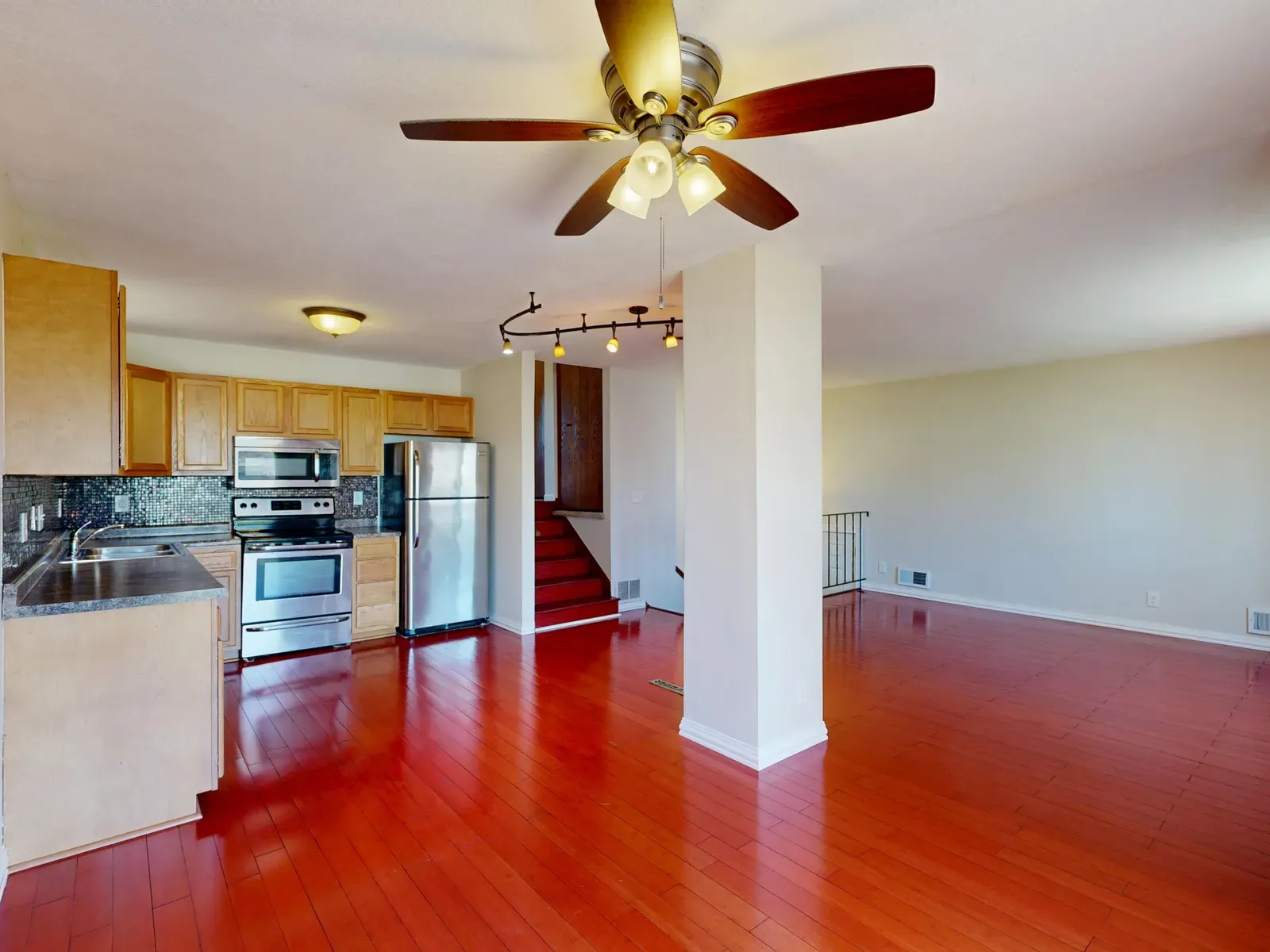
AI in property listings is making headlines. But AI is changing the property market in more ways than just on the seller's side. Sellers retouch photos until they are unrecognisable, or at the very least misleading. Buyers arrive at viewings clutching a kilometre-long list written by ChatGPT. Both share the same problem: AI is being used carelessly, and it creates unnecessary difficulty for everyone involved - buyer, seller, estate agent, and even the property manager.
Yle reported as early as October 2024 that properties were being marketed with photos showing renovations and interior design solutions that do not actually exist in the property. The Central Federation of Real Estate Agencies (KVKL) published a clarified Good Brokerage Practice guideline covering AI-generated images at its Good Brokerage Practice Day on 10.11.2026. This indicates that the practice is widespread enough to be considered a problem.
If you are buying a property, here is what you need to know.
Why misleading photos are a buyer's problem
Buyers often form their first impression from photos before the viewing. An AI-edited photo can suggest that an open-plan kitchen is achievable, even when a load-bearing wall makes it impossible. A bathroom can look straightforward to renovate, even when the actual pipework or structure rules it out.
The buyer gets excited by the photo. The buyer goes to the viewing. The buyer is already picturing the alteration work. And only later - perhaps only after a building contractor has visited - does it become clear that the planned renovation is simply not possible.
By that point, the deal has already been done. The buyer may have legal remedies, such as relying on the seller's liability for defects under the Housing Transactions Act, if misleading marketing comes to light after the sale. The process is, however, burdensome and the outcome uncertain. That is why checking in advance is more important.
How to spot an AI-edited photo
Nobody can always identify an AI-generated image. But there are certain signs worth looking for.
- The lighting does not add up. Light coming through a window does not reflect logically off the floor or walls. Shadows are missing or pointing in the wrong direction.
- Edges and corners are too neat. Real properties are rarely perfect. If every corner is sharp and every surface completely smooth, something has been touched up.
- Building elements are inconsistent. Look at skirting boards, plug sockets, and door frames. If they disappear or change from one photo to the next, something has been altered.
- Furniture is floating or the wrong size. AI guesses at how space is used, and does not always get it right.
- One photo looks out of place compared to the others. If one image looks flawless while the rest are ordinary smartphone shots, ask why.
What photos do not show
The bigger problem with AI-edited photos is not what has been added. It is what has been removed.
Moisture damage disappears when a surface is digitally smoothed over. A strip of mould on a window seal vanishes with a single swipe. Old kitchen structures are updated to look more modern before the photo is published.
At the viewing, these issues may already be hidden under a rug or behind a cupboard. The photo has created an expectation that leads the eye to look for potential rather than problems.
What to ask the estate agent at a viewing
Do not dance around it. Ask directly.
- Were all the photos in the listing taken of the property as it stands today?
- If any photos have been edited, ask why and how.
The estate agent has a statutory duty to disclose information (Act on Real Estate and Rental Apartment Mediation, §9), and it is worth asking these questions. Asking is important, but a verbal answer at the viewing is not enough, as it is difficult to prove afterwards. The estate agent also has an interest in getting the deal done. For this reason, the same points need to be verified independently - from the floor plan, building permit documents, and where necessary, a professional inspection.
When the buyer brings ChatGPT to the viewing
The other side of the same phenomenon is the buyer who uses AI to prepare for a property viewing. The idea is a good one. The execution sometimes goes wrong.
At one viewing, a prospective buyer arrived with a list of 47 questions written by ChatGPT. These included the relative moisture level of the base floor and the hydraulic capacity of the drainage system. The questions were technically recognisable as AI-generated, and they had no bearing on what can be established at a viewing or what an estate agent can reasonably be expected to know. When the buyer was asked follow-up questions - such as what the hydraulic capacity should actually be - the answer was that they did not know.
This is not really the buyer's fault. AI does not know what is relevant in a specific situation. It lists everything conceivable, because that is the safest response to a generic request.
The estate agent and seller are obliged to disclose all information relating to the property or the housing company that may be material to the buying decision. The seller's personal motivations or circumstances, for instance, do not fall within this. General meeting minutes from five years ago usually do not either. A moisture measurement report for the base floor is not something that gets resolved at a viewing.
AI is a useful tool. But any list it produces is worth reading through before the viewing and thinking about which questions are genuinely relevant to this particular property - or to buying a home at all. Three good questions will get you further than forty-seven poor ones.
Before making an offer
Property listing photos are marketing material. They are designed to generate interest. This has always been the case, but AI enables misleading content on an entirely new level compared with ordinary photo editing. Structural impossibilities can now be presented convincingly, and mould damage can be concealed so thoroughly that it is no longer visible at the viewing.
The buyer's job is to look beyond the listing. A floor plan tells you more than an interior photo. The housing company's documents tell you more than a renovated bathroom in a photo. The year of construction and the history of major repairs tell you whether that renovation is real or only digital.
The clarification of KVKL's guidance is a step in the right direction. But guidance does not bind everyone, and buyers have no way of knowing who is following it.